

رمان حباب شیشه SYLVIA PLATH (چاپ اصل) (تمیز)
4٬300٬000 تومان
مشخصات کالا
| ژانر | تاریخی |
| ملیت رمان | آمریکای شمالی |
| نوع چاپ کتاب | چاپ اصل |
توضیحات بیشتر
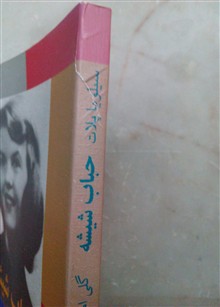
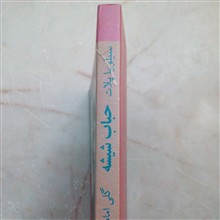
صفحۀ شناسه کتاب به دلیل داشتن مُهر کتابفروشی جدا شده. صفحات داخلی تمیز.
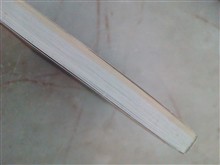
صفحات کتاب به علت قدمت به دو دستۀ سفید و زرد تبدیل شده. نوع font در تمام صفحات یک نوع است.
متفاوت بودن رنگ صفحات کتاب لزوماً دلیل صحافی شدن یا دوباره صحافی شدن کتاب نیست. بخش-هایی از کتاب که بیشتر در برابر نور یا هوا بودند ممکن است زردتر شوند. اگر کتاب دوباره صحافی شده باشد، معمولاً نشانه-های دیگری هم دیده می-شود: نخ یا چسب صحافی متفاوت با حالت اصلی. برش دوباره لبۀ صفحات. تفاوت در اندازۀ حواشی. جای آثار جلد قبلی. چسب یا آستر جدید داخل جلد. هیچ یک از این موارد برای این کتاب صدق نمی-کند. در کتاب-های قدیمی، تفاوت رنگ چند برگ یا چند دسته صفحه نشانۀ دستکاری نیست و حالتی طبیعی-ست.
سیلویا پلات، زادۀ 27 اکتبر 1932 و درگذشتۀ 11 فوریۀ 1963، نویسندۀ داستان کوتاه، رمان نویس و شاعر آمریکایی بود. او که در بوستون به دنیا آمد، پس از گذراندن تحصیلات اولیه به کالج اسمیت و نیونهام در دانشگاه کمبریج رفت. پلات پس از این دوران، موفقیت-های مهمی به عنوان
شاعر و نویسنده به دست آورد. او در سال 1956 با شاعری به نام تد هیوز ازدواج کرد و پس از گذشت چندین سال، به همراه هیوز به انگلستان نقل مکان کرد. این زوج که دارای دو فرزند بودند، در سال 1962 از یکدیگر جدا شدند. پلات در بیشتر سال-های بزرگسالی اش به افسردگی حاد
مبتلا بود و چندین بار تحت درمان با شوک الکتریکی قرار گرفت. او سرانجام در سال 1963 خودکشی کرد. سیلویا پلات، پس از مرگ و در سال 1982 به دلیل مجموعه اشعارش، جایزۀ پولیتزر را از آن خود کرد. حباب شیشه، تنها رمانی ست که نویسنده و شاعر آمریکایی، سیلویا پلات، به رشتۀ
تحریر درآورده است. پلات، این رمان را که به گونه-ای، خودزندگی نامۀ اوست، برای اولین بار در سال 1963 با نام مستعار «ویکتوریا لوکاس» به انتشار رساند. استر گرینوود، خانمی باهوش، زیبا، فوق العاده بااستعداد و موفق است که به تدریج و شاید برای آخرین بار، در حال فرو
رفتن به قعر مشکلات است. سیلویا پلات در این شاهکار خواندنی و خلاق، با چنان ظرافتی مخاطب را به دنیای ذهنی در حال نابودی استر می-برد که جنون و دیوانگی این شخصیت، کاملا ملموس و حتی منطقی و عقلانی جلوه می کند. رمان حباب شیشه، کاوشی ژرف در تاریک-ترین و مخوف-ترین
گوشه و کنارهای ذهن بشر است و موفقیتی شگفت و اثر کلاسیکی مهم به شمار می-آید.
At first glance, Esther Greenwood seems to possess everything that should guarantee a successful life: intelligence, talent, education, ambition, and a future filled with possibilities. Yet beneath this surface, something is collapsing. Plaths genius is that she does not create a dramatic tragedy caused by a single disaster. She reveals something far more frightening: the slow destruction of a consciousness trapped between what it is capable of becoming and what society allows it to become. The Bell Jar is dangerous because it exposes a reality many people prefer not to see. It asks what happens when a person is intelligent enough to recognize the contradictions of the world but unable to escape them. Esther is surrounded by promises of freedom, yet every promise contains a hidden condition. She can succeed, but only in certain ways. She can be independent, but only within acceptable limits. She can search for herself, but only as long as she does not disturb the expectations placed upon her. Plath does not write about a woman who simply loses her way. She writes about a woman who sees too much. Esthers suffering comes from an unbearable awareness: she can see the invisible walls that others have accepted as normal. The world continues moving around her people work, marry, celebrate, and pursue their ambitions but she experiences it as if separated by glass. This is why the image of the bell jar remains one of the most powerful metaphors in modern literature. It is not only depression. It is the feeling of being alive while being cut off from life itself. It is the horror of watching the world continue while your own existence becomes distant, distorted, and impossible to reach. What makes Plaths novel unforgettable is her refusal to make suffering beautiful. She does not turn despair into poetry in the romantic sense. She examines it with the cold precision of someone performing an operation. But the real shock of The Bell Jar is that Esthers struggle is not only her own. It reflects a larger human conflict: the struggle between the individual and the roles imposed upon them. The novel attacks the fantasy that modern life automatically creates freedom. It reveals the psychological price of living in a world where people are expected to be successful, attractive, rational, happy, and complete at all times. Few novels capture the terrifying distance between the life a person is supposed to want and the life they actually experience. Plath writes with the intensity of someone who has entered the darkest rooms of the human mind and returned with evidence. Reading The Bell Jar is not simply reading about depression. It is confronting the hidden machinery beneath ordinary life. It is looking beneath the surface of success, identity, and social expectations and discovering the pressure systems that shape human beings. Some books entertain. Some books inform. A rare few change the way you look at yourself and the world around you. The Bell Jar is one of those books. Once you enter Esther Greenwoods world, the question is no longer only what happened to her. The question becomes far more unsettling: How many people are living under their own invisible bell jar and have simply learned not to speak about it

